
The Allure of Chance
The thrilling aspect of chance is one of the primary reasons people flock to casino games. The unpredictability of outcomes stimulates a rush of excitement that can be addictively appealing. Players often find themselves drawn into the experience, whether it’s the spin of a roulette wheel or the roll of the dice. This element of chance taps into human curiosity and our innate desire to discover what lies ahead, igniting a sense of adventure that keeps players engaged. Many enthusiasts also explore options like online casino real money nz to enhance their gaming experience, as the very act of placing a bet can evoke a sense of hope and anticipation, amplifying their eagerness to participate.
This allure is further amplified by the psychology of risk-taking. Many individuals are naturally inclined to take risks, as it activates the brain’s reward centers. When players win, even modestly, the dopamine release induces feelings of pleasure and satisfaction, reinforcing their behavior. This chemical response can create a cycle where players seek more frequent rewards, often leading them to play more than they may have initially intended. The thrill of winning, however small, can overshadow the rational understanding of odds and probabilities, drawing players deeper into the gaming environment.
Moreover, casinos leverage this fascination with chance by creating environments that heighten sensory experiences. Bright lights, engaging sounds, and the buzz of excitement from fellow players all contribute to an atmosphere that enhances the thrill of uncertainty. The strategic placement of machines and tables, coupled with the enticing sounds of winning, creates a sensory overload that can be hard to resist. The physical layout of casinos is often designed to keep players circulating, making it easy to overlook time and limits while pursuing the next big win.
The Role of Cognitive Biases
Cognitive biases play a vital role in how players perceive gambling outcomes. One prevalent bias is the illusion of control, where players believe that they can influence outcomes through specific strategies or behaviors. For instance, someone might think that wearing a particular shirt or using a special betting system can sway the odds in their favor. This misconception can lead to increased gambling, as players often feel empowered by their perceived ability to change outcomes. Such beliefs can create a false sense of security, encouraging players to engage in riskier bets, thinking they have the upper hand.
Additionally, the gambler’s fallacy is another common bias that affects player decisions. This belief holds that past events influence future outcomes in random games. For instance, a player may assume that if a specific number hasn’t appeared in a while, it’s “due” to win soon. Such biases can cloud judgment and encourage riskier betting behaviors, as individuals convince themselves that they have a better understanding of the game than reality allows. This psychological trap can lead to substantial losses, as players chase their perceived luck rather than recognizing the inherent randomness of many casino games.
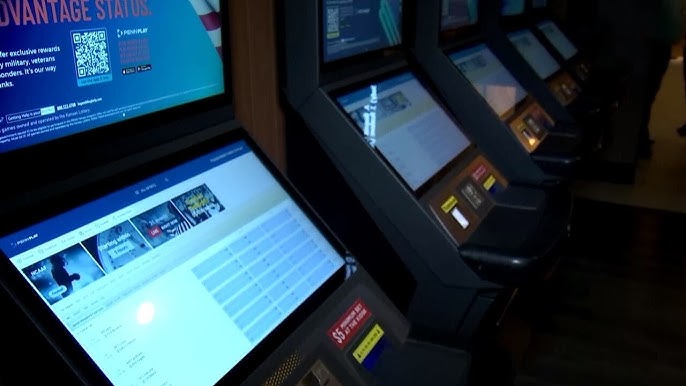
Understanding these cognitive biases is crucial for casino operators as well. By recognizing how players think and make decisions, casinos can tailor their marketing strategies and game designs to appeal to these psychological tendencies. This can lead to game features that entice players further, such as jackpots and bonuses that seem to create greater winning potential, even if statistically, players have the same chances as before. By capitalizing on these biases, casinos can effectively enhance player engagement and increase their overall spending, leading to a more profitable environment.
The Social Dynamics of Gambling
The social aspect of gambling cannot be overlooked when exploring the psychology behind casino games. Many people are attracted to casinos not just for the games themselves but for the ambiance they foster—an environment filled with interaction, camaraderie, and shared experiences. Gamblers often congregate around tables, sharing in the collective highs and lows, which fosters a sense of community that enhances their enjoyment. This communal aspect can reinforce the thrill of the game, making it even more engaging for participants.
Additionally, the presence of peers can create social pressures that influence gambling behaviors. Players may feel compelled to make bolder bets or continue playing longer than they intended, driven by the atmosphere of excitement and camaraderie. The influence of others can reinforce both positive and negative experiences, shaping how individuals perceive their own gambling habits and social relationships with fellow players. This shared experience can create bonds that extend beyond the casino, as players discuss their strategies and outcomes, further embedding them within the gambling community.
Moreover, the social dynamic is amplified by the rise of online gaming platforms. Players can now connect with others globally, sharing strategies, successes, and challenges. This connectivity adds another layer to the gambling experience, as individuals can revel in their wins together or find solace in shared losses. The blending of social interaction with gaming fosters engagement, allowing players to feel like they are part of a larger narrative. Online forums and social media also play a role in shaping perceptions and experiences, as players share tips and celebrate wins, further reinforcing their commitment to the games.
The Impact of Environment on Behavior
The physical environment of a casino significantly impacts player behavior and decision-making. Casinos are meticulously designed to stimulate players’ senses and encourage them to stay longer. Features such as bright colors, enticing sounds, and even the scent of fresh food play crucial roles in creating an engaging atmosphere. Studies have shown that such environments can increase the time players spend gambling, often leading to increased spending. The deliberate design choices made by casino architects aim to create spaces that maximize excitement and minimize distractions from the gaming experience.
Moreover, the concept of “losses disguised as wins” is critical in casino design. Players often receive smaller rewards that can mask their overall losses, creating an illusion of winning. For instance, a player may receive a payout that is less than their original bet but still feel excited due to the nature of the experience. This design choice plays into the psychology of reinforcement and can lead to continued gameplay despite financial losses. Such strategies are invaluable for casinos, as they keep players engaged even when they are not technically winning.
The layout of casinos also contributes to player behavior. By strategically placing popular games near entrances or high-traffic areas, casinos maximize exposure and engagement. The absence of clocks and windows prevents players from considering time, allowing them to immerse themselves in the gaming experience without external distractions. This engineered environment is crucial for enhancing the overall allure of casino games and fostering prolonged participation. By manipulating the environment in such ways, casinos effectively create a space where players can lose track of time and become deeply engrossed in their gaming experience.
Understanding and Making Informed Choices
For those interested in the complexities of casino psychology, understanding these dynamics can lead to more informed choices. Recognizing the allure of chance and the cognitive biases at play can help players become more aware of their behavior and decision-making processes. This awareness is vital in promoting responsible gambling habits and ensuring that entertainment remains enjoyable rather than detrimental. Being informed about these psychological elements enables players to enjoy the thrill without becoming overly consumed by it.
Additionally, the social aspects of gaming should be navigated with caution. While the camaraderie and shared experiences can enhance enjoyment, they can also lead to peer pressure and impulsive decisions. By staying conscious of these influences, players can maintain a healthier balance between social enjoyment and personal responsibility. Establishing clear limits for oneself and engaging in open conversations about gambling habits with friends can foster a more supportive environment.
Ultimately, educating oneself about the environment of casinos, including operational tactics and psychological principles, is paramount for anyone engaging with these establishments. By understanding the interplay between design and behavior, players can approach casino games with a clearer mind and a more focused strategy. This knowledge can lead to a more enriching and enjoyable experience, as players are better equipped to navigate the complexities of chance, social dynamics, and cognitive biases in their gambling journeys. Awareness and education can transform the gaming experience from a potentially harmful activity into a source of entertainment and excitement.